Oxford Essential and Oxford Advanced HKDSE Practice Papers (Fifth Edition)This graded series of all‑in‑one HKDSE exam practice papers, equipped with a wide range of resources, is designed to prepare students for the HKDSE exam.
【Latest Primary English textbook series】Ready (Second Edition)is the first EDB-approved series from P1 to P6 aligned with the latest Primary English Curriculum Guide released in June 2025. Learn more now!
Oxford Essential and Oxford Advanced Exam Skills (Fourth Edition)This skills-based, graded series with an effective approach is designed to help students succeed in the HKDSE English Language exams.
Talk about China with Oxford Joint-school Competition 2024On 29 June 2024, we held a joint-school competition where students from different schools could share what they had learnt.
New Treasure Plus (Third Edition)New Treasure Plus (Third Edition) is an engaging Junior Secondary English coursebook series designed to boost students’ motivation in learning.
Oxford English ForwardOxford English Forward is an engaging and challenging course specifically designed for the junior secondary English Language curriculum.
Oxford Essential and Oxford Advanced HKDSE Practice Papers (2022 Edition)The series features up-to-date content and the latest exam question types and formats to prepare students for the HKDSE English exam.
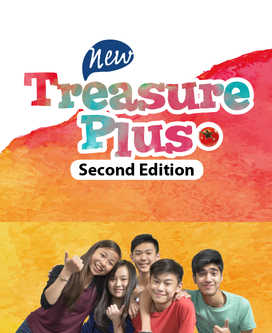
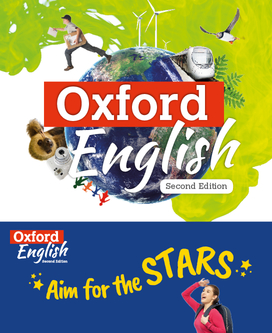
Special Holiday Learning Pack 2022Resources from New Treasure Plus (Second Edition) and Oxford English (Second Edition) are now available for classroom use or as early holiday assignment.
Flash Card Learning Tools for Oxford Essential/Advanced Exam Skills (Third Edition)This multi-platform online self-study tool allows learners to acquire thematic vocabulary, expand their vocabulary and keep track of their vocabulary learning progress.
Oxford Essential and Oxford Advanced Exam Skills (Third Edition)The series covers all the skills students need to succeed in the HKDSE English Language exams, with exam practice up to and including HKDSE difficulty.
Oxford English Practice series—Handwriting WonderlandHandwriting Wonderland is a nine-book series that helps students develop confident handwriting through systematic progression, a theme-based approach and engaging elements.
Oxford English Practice series—HKAT 2 in 1 Assorted Exercises & Mock PapersHKAT 2 in 1 Assorted Exercises & Mock Papers (Enhanced Edition 2.0) is a three-book exam practice series carefully designed in accordance with the text types, question types and formats of the latest papers in the Pre-S1 Hong Kong Attainment Test.
Oxford English Practice Series—HKAT (Pre-S1) English Mock Papers 2026/27 EditionHKAT (Pre-S1) English Mock Papers 2026/27 Edition is a two-book exam practice series that helps students tackle the Hong Kong Attainment Test with confidence.
Oxford English Practice series—Grammar Up!Fly high with Grammar Up! This 12-book grammar practice series systematically strengthens students’ grammar skills for high-achieving exam performance.
Oxford English Practice series—Power Up Advanced Revision Test PapersPower Up Advanced Revision Test Papers is a 12-book series of test papers which helps students achieve excellent results in school English tests and exams. It is designed based on real school assessment papers.
Oxford English Practice series—Word Power BuilderBroaden your vocabulary knowledge with Word Power Builder! This six-book vocabulary series, which covers words from the updated Oxford 3000, aims to build Primary 1–6 students’ vocabulary power and support them to establish a strong foundation for English learning.
Oxford English Practice series—Reading ParadiseReading Paradise is a six-book exam series which aims to increase students’ interest in English reading and broaden their knowledge.
Oxford English Practice Series—Reading and GrammarEquip yourself to use the English language effectively! Reading and Grammar is a 12-book practice series designed according to the English Language Curriculum Guide for Primary 1–6 in Hong Kong. It aims to boost students’ performance in language use.
Oxford English Practice series—Essential English Language Skills PracticeDevelop your English language skills with Essential English Language Skills Practice! It is an exam practice series carefully designed in accordance with the public exam scope and the latest papers.
Oxford English Practice series—Reading and Exam SkillsSharpen your exam skills with Reading and Exam Skills! This six-book practice series helps Primary 1–6 students enhance their exam skills and reading proficiency.
Oxford English Practice series—Exam ConquerorsExam Conquerors is a 12-book exam series which aims to familiarize students with exam formats and question types and strengthen their task-taking skills so that they can achieve excellent results.
Oxford English Practice series—Ready, Go! GrammarGet yourselves ready with Ready, Go! Grammar! This six-book grammar practice series provides abundant practices with common question types, helping Primary 1–6 students master essential grammar topics on school syllabuses.
Oxford English Practice series—Level Up 4 Skills Intensive PracticeLevel up your Listening, Reading, Writing and Speaking skills with Level Up 4 Skills Intensive Practice! This six-book exam practice series helps Primary 1–6 students sharpen their language skills to achieve excellent results.
Oxford English Practice series—Reading and WritingExcel in writing with the help of Reading and Writing! This six-book practice series aims to develop students’ reading and writing skills through step-by-step tasks and guidance.
Success in Grammar 4This new series is a highly practical grammar book tailor-made for Senior Secondary students. Complete with Grammar Booster and an array of supplementary resources, it provides students with thorough language practice for the HKDSE exam.
Oxford English Practice series—Reading and VocabularyExplore the joy of reading and word building with Reading and Vocabulary! It is a six-book series for Primary 1–6 students’ reading and vocabulary practices in stimulating contexts.
Oxford English Practice Series—Grammar DetectiveJoin us and be a Grammar Detective! This six-book grammar practice series engages Primary 1–6 students in using their grammar knowledge accurately in meaningful contexts.
Oxford English Practice series—Reading WonderlandExperience the wonders of reading in Reading Wonderland! It is a six-book reading comprehension series specially designed for Primary 1–6 students to enhance their reading skills.
Oxford English Practice series—Grammar WonderlandDiscover the wonders of grammar in Grammar Wonderland! It is a 12-book grammar practice series designed for Primary 1–6 students to consolidate their grammar knowledge.
Oxford English Practice series— Power Up Revision Test PapersPower Up Revision Test Papers is a 12-book series of test papers specially designed according to the English Language Curriculum Guide for Primary 1–6 in Hong Kong to help students prepare for their school English tests and exams.
[Announcement of results] Oxford Primary English Writing Competition 2018-19This year's Oxford Primary English Writing Competition under the theme of 'Green Travel' is one of the successful illustrations of how OUP is enhancing students' sense of social awareness.
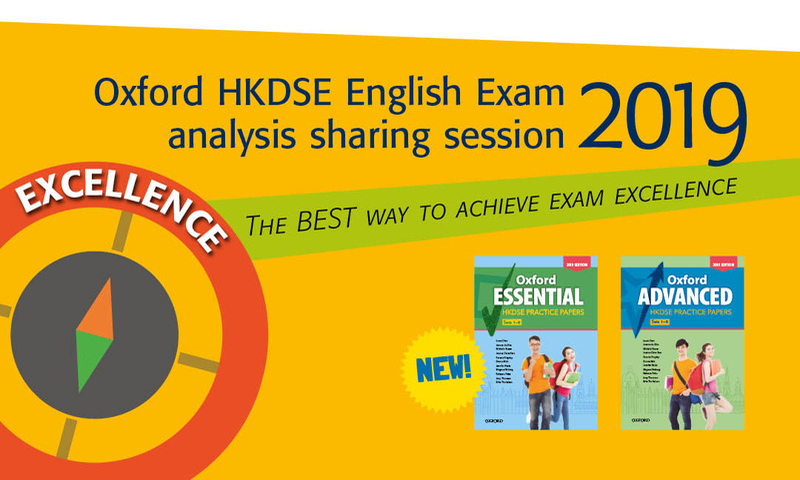
[Past event] Oxford HKDSE English Exam Analysis Sharing Session 2019—‘The BEST Way to Achieve Exam Excellence’Following the 2019 HKDSE exams in April, the Oxford HKDSE English Exam Analysis Sharing Session 2019 was held on 4 May. This seminar offered teachers a comprehensive overview of Paper 1 and Paper 3 from the latest English Language exam, as well as an introduction to OUP’s new edition of Oxford Essential and Oxford Advanced Practice Papers.
[Past event] Oxford Secondary English Seminar—‘Your Journey To Excellence Begins Here’OUP constantly strives to provide Junior and Senior Secondary students with the best tools and guidance on their journey to excellence in the Hong Kong Diploma of Secondary Education Examination (HKDSE). At our Secondary English seminar – ‘Your Journey To Excellence Begins Here’ on 29 March 2019, we showcased our latest blended assessment tools and multimodal support for helping students achieve excellence in the public exams.
Oxford Essential and Oxford Advanced Thematic AnthologyThis is a four-level series featuring a rich and varied range of language arts and non-language arts texts presented in a gradual progression of difficulty. It aims to enhance students’ reading and writing skills in English and broaden their vocabulary.
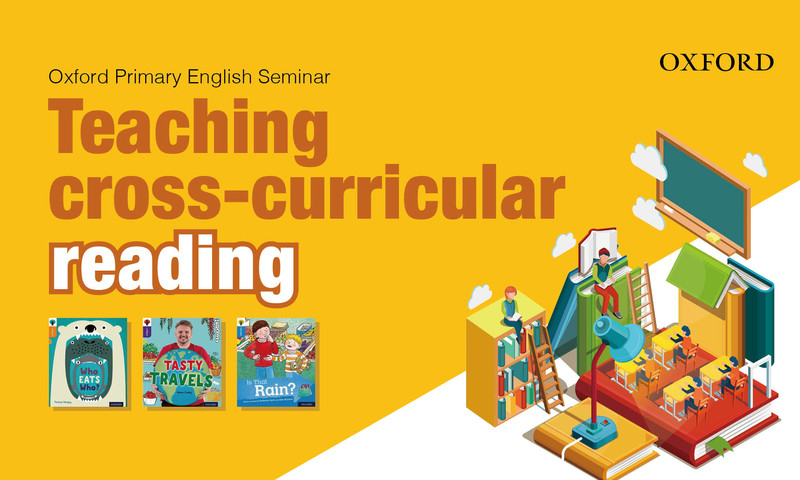
[Past event] Oxford Primary English Seminar—Teaching cross-curricular readingIn order to provide practical solutions regarding the teaching of cross-curricular reading, Oxford University Press organized a Primary English seminar on 17 November 2018 at Hong Kong Productivity Council.
[Result Announcement] Oxford Primary English Outstanding e-Learning Awards 2017-2018In order to promote the adoption of e-learning through best practice sharing, and build a supporting network to share e-learning teaching strategies among schools, Oxford University Press (China) has partnered with the University of Hong Kong's e-learning Development Laboratory to hold the Oxford Primary English Outstanding e-learning Awards 2017-2018.
[Result Announcement] Oxford Junior Secondary English Video Competition—Hong Kong through My EyesAre you an aspiring filmmaker? Showcase your creativity and join Oxford University Press’ Junior Secondary English Video Competition—Hong Kong through My Eyes!
Living Oxford EnglishLiving Oxford English helps increase learners’ global awareness, nurture their life skills and stimulate their creativity. The series pilots STEAM learning and reinforces e-learning in primary English classrooms. It also ensures smooth transition from primary to secondary English learning.
New Treasure Plus (Third Edition) an engaging Junior Secondary English coursebook series designed to boost students’ motivation in learning
Oxford English Forward an engaging and challenging course specifically designed for the junior secondary English Language curriculum
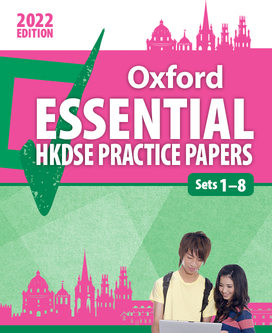
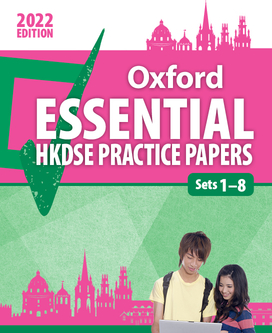
Oxford Essential HKDSE Practice Papers (Fifth Edition) the all-in-one HKDSE exam practice papers feature up-to-date content and the latest exam question types and formats
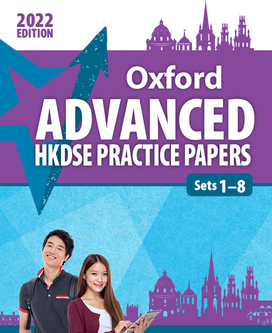
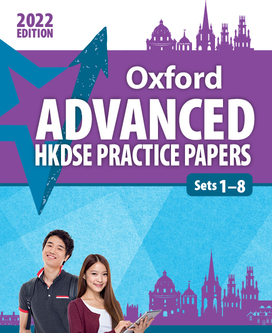
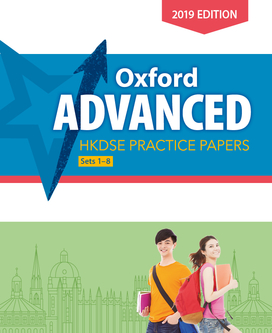
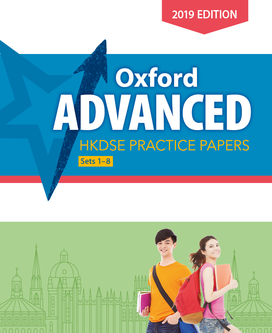
Oxford Advanced HKDSE Practice Papers (Fifth Edition) the all-in-one HKDSE exam practice papers feature up-to-date content and the latest exam question types and formats
Oxford Essential Exam Skills (Fourth Edition) designed to help students master the necessary language skills and familiarize themselves with the formats of the HKDSE exams
Oxford Advanced Exam Skills (Fourth Edition) designed to help more able students master the necessary language skills and familiarize themselves with the formats of the HKDSE exams
Oxford Essential HKDSE Practice Papers (2022 Edition) the all-in-one HKDSE exam practice papers feature up-to-date content and the latest exam question types and formats
Oxford Advanced HKDSE Practice Papers (2022 Edition) the all-in-one HKDSE exam practice papers feature up-to-date content and the latest exam question types and formats
Success in Grammar 4 a highly practical grammar book providing Senior Secondary students with thorough and realistic language practice for the HKDSE exam
Oxford Essential and Oxford Advanced Thematic Anthology a four-level series which aims to enhance students’ reading and writing skills in English and broaden their vocabulary
Living Oxford English a newly launched primary English coursebook series designed to increase learners’ global awareness and nurture their life skills
Ready the latest primary English coursebook series in the market designed with fun learning and teacher-friendly elements
Talk about China with Oxford a series consisting of 24 readers and an activity-based course about Chinese culture for primary students
Handwriting Wonderland a nine‑book series for handwriting development through systematic, theme‑based and engaging practice
HKAT English 2 in 1 a three-book series of assorted exercises and mock papers to equip students for the Pre-S1 Hong Kong Attainment Test
HKAT English Mock Papers 2026/27 a two-book series of mock papers that helps students tackle the Pre-S1 Hong Kong Attainment Test
Grammar Up! a 12-book series which systematically strengthens students’ grammar skills
Power Up Advanced Revision Test Papers a 12-book series of test papers which helps students achieve excellent results in school English tests and exams
Word Power Builder a six-book vocabulary series with interesting themes and striking visuals to build students’ vocabulary power
Reading Paradise a six-book series which increases students’ interest in English reading and broadens their knowledge
Reading and Grammar a 12-book practice series designed to boost students’ performance in language use
Essential English Language Skills Practice an exam practice series which helps students develop their essential English language skills
New Treasure Plus (Second Edition) a junior secondary course specifically designed to help students become active learners of English
Oxford English (Second Edition) a junior secondary series that equips students with exam-relevant language skills and knowledge for future academic success
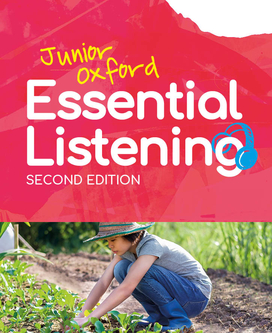
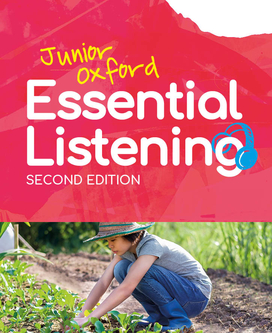
Junior Oxford Essential Listening (Second Edition) a newly revised complementary listening series to New Treasure Plus (Second Edition)
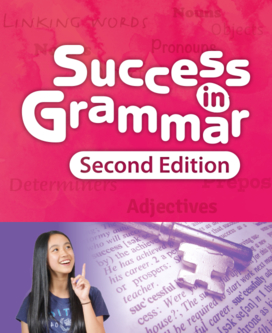
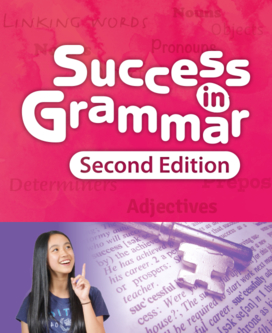
Success in Grammar (Second Edition) a junior secondary grammar series with engaging exercises and meaningful tasks for students to apply their grammar knowledge
Oxford Essential Exam Skills (Third Edition) designed to help students master the language skills and learn the strategies they need in the HKDSE exam
Oxford Advanced Exam Skills (Third Edition) designed to help more able students master the language skills and learn the strategies they need in the HKDSE exam
Advantage (Second Edition) a senior secondary series combining coursebook material and mock tests to prepare students for the HKDSE exam
Reading and Exam Skills a six-book practice series which helps students enhance their exam skills and reading proficiency
Exam Conquerors a 12-book exam series which familiarizes students with exam formats and strengthens their task-taking skills
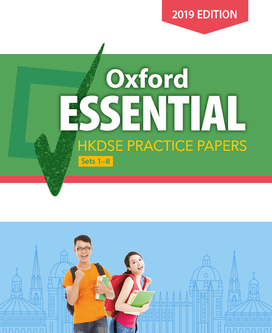
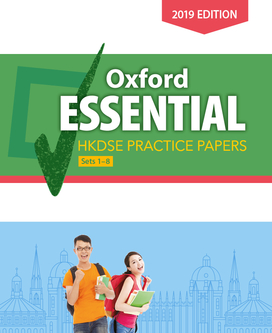
Oxford Essential HKDSE Practice Papers (2019 Edition) an updated edition of the all-in-one HKDSE exam practice papers featuring the latest exam formats and questions
Oxford Advanced HKDSE Practice Papers (2019 Edition) an updated edition of the all-in-one HKDSE exam practice papers featuring the latest exam formats and questions
Ready, Go! Grammar a six-book grammar practice series which helps students master essential grammar knowledge
Level Up 4 Skills Intensive Practice a six-book exam practice series which helps students sharpen their Listening, Reading, Writing and Speaking skills
Reading and Writing a six-book series which aims to develop students’ reading and writing skills through step-by-step tasks and guidance
Reading and Vocabulary a six-book reading and vocabulary practice series with stimulating content and useful resources for self-learning
Grammar Detective a six-book grammar practice series which engages students in using their grammar knowledge accurately in meaningful contexts
Reading Wonderland a six-book reading comprehension series with motivating content and additional resources to cultivate self-learning
Grammar Wonderland a 12-book grammar practice series with motivating content and additional resources to cultivate self-learning
Power Up Revision Test Papers a 12-book series of test papers which helps students prepare for their school English tests and exams
Tina and Friends a selection of interesting stories about children’s daily lives, their family and friends, and the world around them
Oxford Story Tree an extensive selection of interesting reading materials which feature real-life situations and exciting adventures
Oxford Path Primary a package that helps students lay the foundation of English through interactive worksheets
Junior Oxford Essential/Advanced Listening a three-level series combining skills focus with exam-style practice
HKDSE Grammar a comprehensive grammar book that contains all the grammar students need for the HKDSE exam
Achiever an 'assessment for learning' system that provides 36 levels of auto-marking practices
Oxford Reading Club a platform that provides fascinating reading passages with comprehension questions to help develop students’ reading skills
Free Resources a page for downloading mock papers, exam analyses, etc.
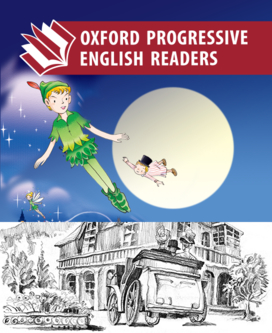
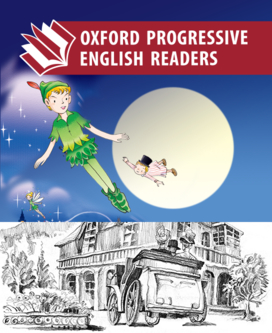
Oxford Progressive English Readers a wide range of enjoyable readers for learners of English at six levels